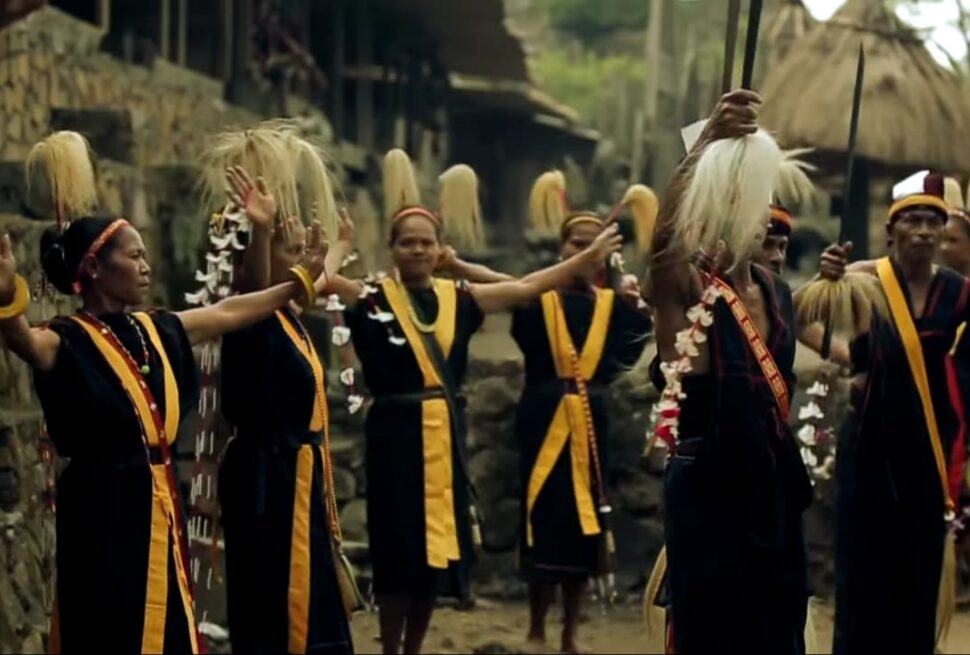
Sumba Island is one of Indonesia’s most culturally intact islands, where ancient Austronesian traditions are still practiced in daily life. Unlike many other regions, Sumba has preserved its megalithic architecture, ancestral religion (Marapu), elaborate ceremonies, and iconic textiles, making it one of the most authentic cultural destinations in Southeast Asia.
This guide breaks down Sumbanese culture in detail so you understand not just what to see, but how the culture actually works.
1. Marapu: The Core of Sumbanese Spiritual Life
The foundation of Sumbanese culture is Marapu, a traditional belief system centered on ancestors and spiritual balance.
Key concepts of Marapu
- Ancestors are considered living spiritual guardians
- Life must stay in balance between:
- Humans
- Nature
- The spiritual world
- Every major life event requires ritual permission from ancestors
- Sacred objects, stones, and locations hold spiritual power
How it appears in daily life
- Ritual offerings placed in homes or fields
- Traditional priests (Rato) lead ceremonies
- Important decisions (marriage, farming, building houses) involve spiritual consultation
- Even Christian families often still practice Marapu rituals alongside religion
2. Traditional Villages and Megalithic Culture
Sumbanese villages are not just settlements—they are ritual landscapes designed according to spiritual order.
Famous villages
- Ratenggaro Village
- Praijing Village
- Prailiu Village
Village structure
- Houses arranged in circular or clustered layouts
- Central area reserved for ancestral stone tombs
- Sacred spaces (not open to outsiders) placed at village center
Traditional houses (Uma Mbatangu)
- Tall, pointed roofs symbolizing connection to ancestors
- Three levels:
- Upper: spiritual realm
- Middle: human living space
- Lower: animals and storage
- Built using wood, bamboo, and thatch without nails
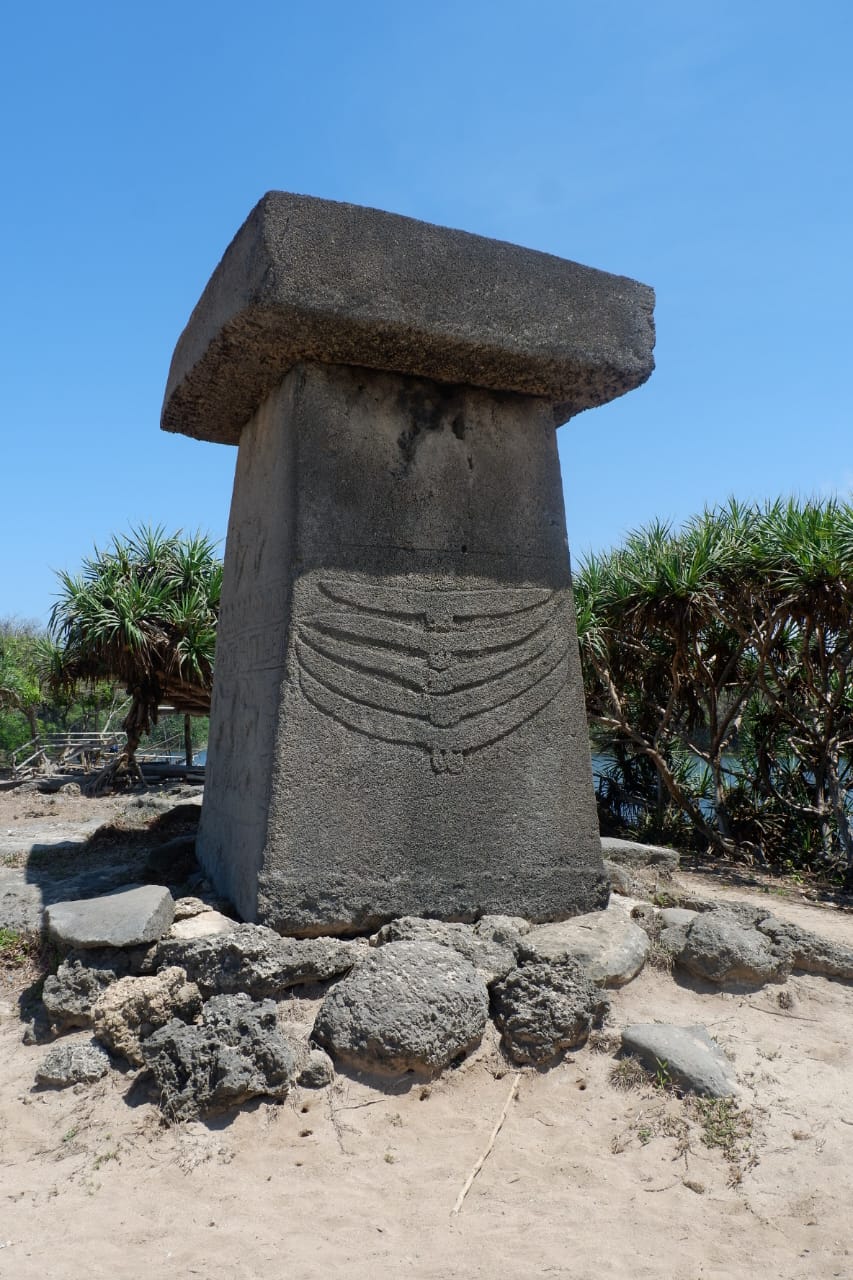
Megalithic tombs
- Massive stone slabs carved and placed manually
- Often located in front of houses, not hidden
- Represent status and family lineage
- Still used today for burials
3. Pasola: The Sacred Horseback War Ritual
One of Sumba’s most dramatic traditions is Pasola, a ritual spear-throwing horseback battle.
Where it takes place
- West Sumba villages (locations vary each year)
Cultural meaning
- Ritual offering to ensure fertile harvests
- Communication with ancestors through symbolic warfare
- Demonstration of bravery, masculinity, and social unity
How it works
- Two groups of horsemen ride at high speed
- Wooden spears are thrown (blunted tips today for safety)
- Bloodshed is interpreted as a good omen for harvest
- Timing is decided by spiritual leaders (not fixed calendar)
4. Sumba Ikat: One of Indonesia’s Most Complex Textiles
Sumbanese weaving is considered among the most sophisticated in Indonesia.
Production process (very detailed)
- Cotton is hand-spun into thread
- Threads are tied into patterns before dyeing (ikat technique)
- Natural dyes are used:
- Indigo (blue)
- Morinda root (red)
- Tree bark and leaves (earth tones)
- Threads are woven into cloth using backstrap looms
Symbolism in patterns
- Horses → power and nobility
- Crocodiles → protection and ancestral strength
- Human figures → lineage and identity
- Geometric shapes → cosmology and balance
Cultural role
- Used in weddings, funerals, and rituals
- Given as dowry (bride price system is important)
- Sign of social status and family heritage
5. Funeral Rituals and Ancestor Worship
Funeral ceremonies in Sumba are among the most elaborate in Indonesia.
Structure of ceremonies
- Can last days or even weeks
- Families prepare for months or years in advance
- Buffaloes and pigs are sacrificed as offerings
Key elements
- Large processions through villages
- Traditional music (gong and drum ensembles)
- Burial in stone tombs within village grounds
- Final rituals to guide the spirit to the ancestral realm
Why it matters
- Death is not an ending but a transition
- Proper ritual ensures harmony between living and ancestors
6. Daily Life and Social Structure
Life in Sumba Island is still deeply communal and tradition-based.
Economy and livelihood
- Subsistence farming: rice, corn, cassava
- Livestock: buffalo, horses, pigs (ritual importance)
- Fishing in coastal regions
Social structure
- Strong clan system (based on lineage)
- Elders hold decision-making authority
- Community cooperation (mutual labor systems)
Horses in daily life
- Used for transport in rural areas
- Essential in rituals and ceremonies
- Symbol of status and masculinity
7. Cultural Tourism Experience in Sumba
Visitors can experience Sumbanese culture through respectful cultural tourism.
What tourists can do
- Village visits with local guides
- Watching weaving demonstrations
- Observing ceremonies (when permitted)
- Staying in traditional homestays
Best regions
- West Sumba: most traditional villages and Pasola
- East Sumba: weaving and coastal cultural life
Travel Etiquette
- Always ask permission before entering homes or photographing people
- Dress modestly in villages
- Do not touch sacred stones or altars
- Respect ceremony restrictions
- Use local guides for interpretation
Final Thoughts
Sumba Island is not just a travel destination—it is a living cultural system where ancestry, ritual, and daily life remain deeply connected. From the spiritual beliefs of Marapu to dramatic traditions like Pasola and the intricate art of ikat weaving, Sumba offers one of the most authentic cultural experiences in Indonesia, where ancient heritage is still actively practiced rather than preserved as history.